
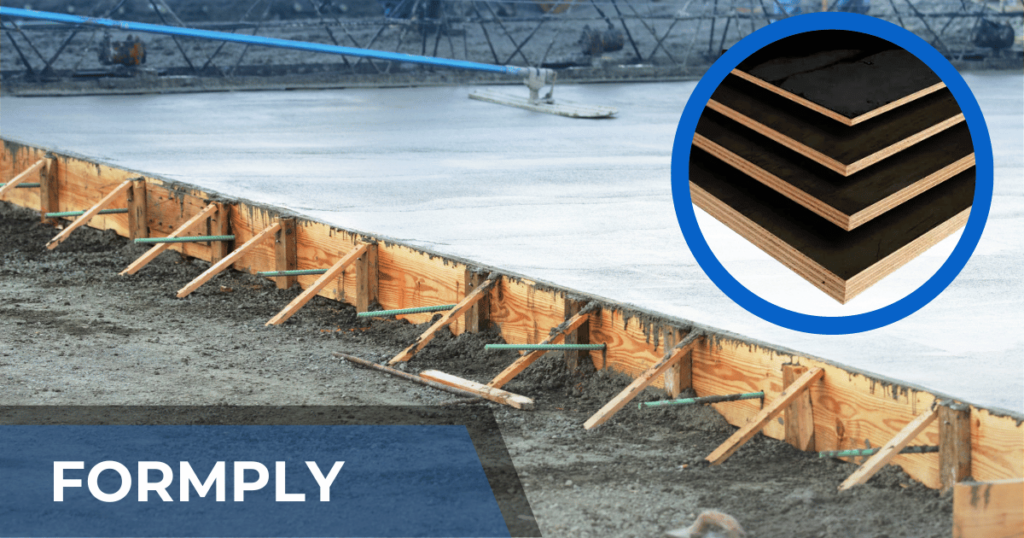
What Is Formply and Why Do You Need It for Your Construction Projects?
Formply is a specialised construction plywood that has become indispensable on Australian building sites, particularly for concrete formwork applications. This engineered material consists of high-density overlay (HDO) phenolic resin impregnated paper bonded to structural plywood, creating a robust surface that can withstand the demanding conditions of commercial construction.
The composition of formply sets it apart from standard plywood. The phenolic resin coating creates a hard, smooth surface that resists moisture penetration and prevents concrete adhesion. Most quality formply features an A bond glue line, ensuring the layers remain intact even when exposed to weather and repeated use.
Why construction professionals prefer formply:
- Exceptional durability – withstands multiple pours without degradation
- Weather resistance – the laminated film face protects against rain and humidity
- Clean release – removes from cured concrete without leaving residue or marks
- Smooth finish – delivers professional-quality concrete surfaces
- Cost-effective reusability – can be used 20-30 times or more with proper care
The versatility of formply extends beyond concrete work. Builders use it for wall formwork, slab construction, and column boxing on Tier one construction sites across Australia. The material’s smooth surface and structural integrity also make it suitable for interior applications including cabinetry, joinery, and architectural features where a clean, durable finish is required.
Construction teams across Formply Australia value this material because it combines structural strength with practical handling characteristics. Formply Australia products cut cleanly, accept fasteners without splitting, and maintain dimensional stability under load, ensuring consistent performance on demanding job sites. These advantages explain why Formply Australia remains the preferred choice for contractors seeking reliable, cost-effective solutions for formwork and structural applications that deliver measurable project efficiencies.
What Factors Influence the Pricing of Formply in Australia?
Formply pricing factors in Australia vary significantly based on material specifications, supplier location, and product characteristics. The cost of plywood Australia-wide reflects these variables, with prices ranging from budget-friendly options to premium-grade materials. Understanding these elements helps construction professionals make informed purchasing decisions.
Material Quality and Composition
The quality of the A bond glue line directly impacts formply durability and price. Products featuring superior adhesive bonding command higher prices due to their enhanced resistance to delamination and moisture penetration. The phenolic resin overlay thickness also affects cost—thicker HDO coatings provide better protection but increase manufacturing expenses.
Plywood core quality varies between manufacturers. Formply constructed from select hardwood veneers with minimal defects costs more than products using lower-grade timber. The number of plywood layers and their arrangement influence both structural integrity and price points.
Thickness and Sheet Dimensions
Standard formply sheets come in multiple thickness options:
- 12mm sheets: Most economical choice for light-duty applications
- 17mm sheets: Mid-range pricing for standard concrete formwork
- 19mm sheets: Premium pricing for heavy-duty structural use
- 21mm+ sheets: Highest cost for specialised industrial projects
Larger sheet dimensions (2400mm x 1200mm versus smaller custom sizes) typically offer better value per square metre. Bulk purchases of standard sizes reduce per-unit costs compared to custom-cut pieces.
Structural Ratings and Performance Specifications
The cost of plywood Australia suppliers charge correlates with structural ratings from F14 to F22. Higher ratings indicate greater load-bearing capacity and justify premium pricing:
- F14-rated formply suits residential concrete slabs
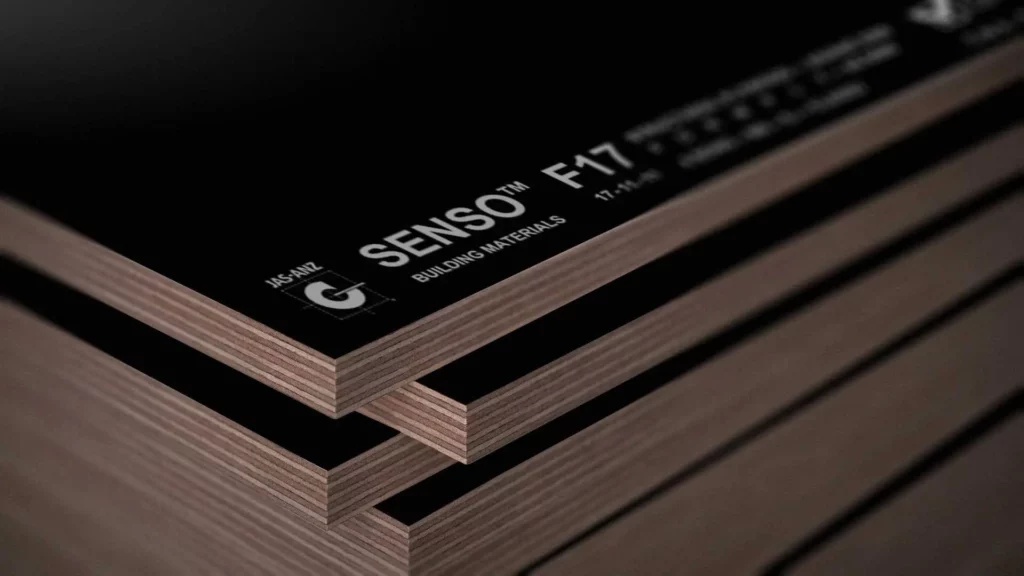
- F17-rated products handle commercial building formwork
- F22-rated sheets support heavy industrial applications
Each rating increment represents enhanced structural performance through denser timber selection and superior manufacturing processes.
Supplier Location and Distribution Networks
Shipping costs formply buyers face depend heavily on supplier proximity. Metropolitan suppliers in Sydney, Melbourne, and Brisbane often provide competitive local delivery rates. Regional buyers may encounter substantial freight charges when ordering from distant warehouses.
Suppliers operating multiple distribution centres across Australia offer more flexible delivery options.
Where Can You Find Reliable Suppliers for Quality Formply in Australia?
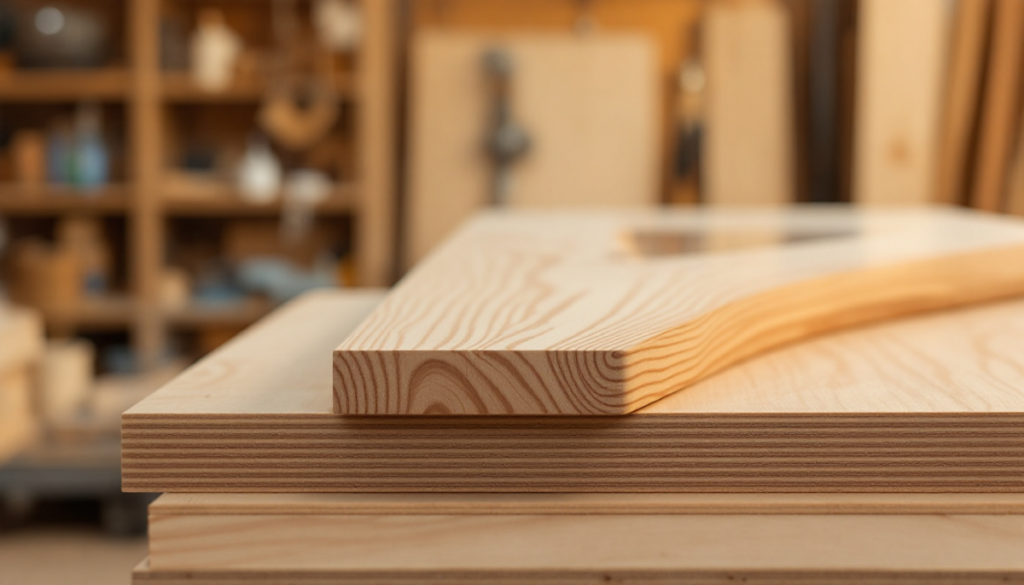
Formply suppliers Australia operate through two primary channels: established local warehouses and digital retail platforms. Physical timber yards and construction material distributors maintain stock across major metropolitan areas and regional centres, allowing builders to inspect products before purchase. Online retailers have expanded access to formply, particularly for remote locations where traditional suppliers may not have a presence.
Local Warehouse Suppliers
Traditional timber suppliers Australia with physical locations offer immediate access to formply sheets. These warehouses typically stock standard sizes ranging from 1200mm x 2400mm to 1800mm x 3600mm, with thickness options from 12mm to 25mm. Visiting a warehouse allows you to:
- Examine the phenolic resin coating quality firsthand
- Verify the smoothness of the HDO surface
- Check for any manufacturing defects or damage
- Arrange same-day collection for urgent projects
- Build relationships with sales staff who can advise on product selection
Major construction material distributors in Sydney, Melbourne, Brisbane, Perth, and Adelaide maintain substantial formply inventories. Regional suppliers in areas like Newcastle, Wollongong, and the Gold Coast also stock popular sizes, though their range may be more limited.
Online Retail Platforms
Digital suppliers have transformed how builders source formply across Australia. These platforms provide detailed product specifications, structural ratings, and pricing transparency. Online ordering suits projects with flexible timelines, as delivery typically requires 3-7 business days depending on location.
E-commerce timber suppliers often display:
- Real-time stock availability
- Comprehensive technical data sheets
- Customer reviews and project photos
- Bulk pricing calculators
- Delivery cost estimates based on postcode
Product Range and Availability
Quality suppliers maintain diverse formply inventories to accommodate different construction requirements. Standard sheet dimensions include 1200mm x 2400mm, 1200mm x 3000mm, and 1800mm x 2400mm configurations. Thickness options span from 12mm for lighter applications to 25mm for heavy-duty concrete formwork.
Structural ratings vary by product line:
- F14 formply: Suitable for lighter formwork applications
- F17 formply: Mid-strength solution for general-purpose projects
How Do Shipping Options Impact the Total Cost of Purchasing Formply?
Shipping costs can add 15-30% to your formply purchase price, making delivery method selection crucial for budget-conscious buyers. The final price you pay depends heavily on whether you choose home delivery, warehouse pickup, or regional freight services.
Understanding Formply Delivery Options
Australian suppliers typically offer three main delivery methods. Warehouse pickup allows you to collect materials directly from the supplier’s location at no additional cost, ideal for buyers with suitable transport vehicles. Local flat-rate shipping provides door-to-door delivery within metropolitan areas, usually ranging from $50-£150 depending on order size. Regional freight serves customers outside major cities, with costs calculated based on distance and volume.
Many suppliers partner with freight companies to offer competitive rates on bulk orders. A single 2400mm x 1200mm formply sheet weighs approximately 20-25kg, meaning a typical construction order of 20-30 sheets requires specialised transport.
Comparing Warehouse Pickup Against Paid Delivery
Free warehouse pickup eliminates shipping charges entirely, allowing you to redirect those savings toward purchasing additional materials or higher-grade formply. This option suits buyers with:
- Access to a ute, trailer, or truck
- Flexibility to collect during business hours
- Projects located near supplier warehouses
- The ability to safely transport large plywood sheets
Paid delivery services offer convenience but increase your total expenditure. Suppliers charge based on:
- Distance from warehouse to delivery address
- Order volume and weight
- Accessibility of delivery location
- Urgency of delivery timeframe
A £100 delivery fee on an £800 formply order represents a 12.5% price increase. When searching for the best-priced formply Australia suppliers offer, this percentage can significantly impact your construction budget.
Calculating Location-Based Delivery Costs
Metropolitan buyers typically access cheaper shipping rates than regional customers. Sydney, Melbourne, and Brisbane suppliers often provide flat-rate delivery within 50km radius zones. Beyond these areas, costs escalate quickly.
Distance-based pricing examples:
- 0-30km: £50-£80 flat rate
- 31-100km: £100-£180
What Strategies Can Help You Secure Competitive Prices on Formply?
Best price formply tips start with thorough market research across multiple suppliers. Securing competitive rates requires a strategic approach that balances cost savings with material quality, ensuring your construction project doesn’t compromise on durability for the sake of initial savings.
Compare Multiple Suppliers for Price and Quality
Requesting quotes from at least three to five different suppliers reveals significant price variations across the Australian market. Some suppliers position themselves as premium providers with higher prices but superior customer service, while others focus on volume sales with thinner margins. The difference between the highest and lowest quotes for identical formply specifications can range from 15% to 30%.
Quality assessment matters just as much as price comparison. Examine each supplier’s product specifications, particularly the A bond glue line quality and phenolic resin overlay thickness. A supplier offering formply at 20% below market rate might be using inferior adhesives or thinner overlay paper, which reduces the material’s reusability and weather resistance.
Request Sample Packs Before Bulk Orders
Sample packs eliminate guesswork when evaluating cost-effective building materials. Most reputable Australian formply suppliers offer small sample pieces or trial sheets at minimal cost, allowing you to assess the material’s finish quality, edge stability, and overall construction before committing to a full order.
Testing samples on-site provides practical insights:
- Check how cleanly the formply releases from cured concrete
- Assess the smoothness of the finished concrete surface
- Evaluate edge durability after cutting
- Test weather resistance if storing materials outdoors
This hands-on evaluation prevents costly mistakes. Purchasing 50 sheets of substandard formply based solely on price can result in poor concrete finishes, increased labour costs for repairs, and wasted materials.
Leverage Bulk Purchase Discounts
Volume purchasing unlocks substantial savings when buying timber Australia suppliers offer. Many distributors provide tiered pricing structures where unit costs decrease significantly at specific quantity thresholds. A single sheet might cost £85, but ordering 20 sheets could reduce the per-sheet price to £72.
Coordinate with other contractors or builders working on nearby projects to combine orders. Shared bulk purchases distribute shipping costs across multiple buyers while qualifying for volume discounts. This collaborative approach
How Does Compliance with Australian Standards Affect Your Selection of Formply?
Choosing formply that meets AS/NZS 6669 compliance directly impacts the safety and longevity of your construction project. Products certified under these formply standards Australia ensure the material has undergone rigorous testing for structural integrity, weather resistance, and bonding quality. Non-compliant formply may fail prematurely under load or deteriorate when exposed to moisture, leading to costly repairs and potential safety hazards on site.
Why AS/NZS 6669 Standards Matter for Construction Safety
The AS/NZS 6669 standard establishes minimum requirements for plywood used in structural applications across Australia and New Zealand. Formply meeting this certification guarantees:
- Consistent bonding strength through verified A bond glue lines that resist delamination
- Predictable load-bearing capacity essential for concrete formwork applications
- Quality control measures during manufacturing that eliminate substandard materials
- Legal compliance for projects requiring certified building materials
Using non-certified formply exposes builders to liability risks if structural failures occur. Insurance claims and regulatory inspections often require proof that materials met relevant Australian standards at the time of installation.
Understanding Structural Ratings F14 to F22
Structural ratings plywood classifications from F14 to F22 indicate the load-bearing capacity and stiffness properties of different formply products. The F-rating system helps builders match material specifications to specific structural demands:
F14 formply suits lighter applications such as:
- Residential concrete slabs with minimal load requirements
- Non-load-bearing wall formwork
- Temporary structures with short-term use
F17 formply serves as the industry standard for:
- Multi-storey residential concrete formwork
- Commercial building projects with moderate structural demands
- General-purpose construction where balanced strength and cost matter
F22 formply addresses heavy-duty requirements including:
- High-rise commercial developments with significant concrete loads
- Bridge construction and infrastructure projects
- Applications requiring maximum stiffness and minimal deflection
Selecting an inadequate F-rating results in excessive deflection during concrete pours, creating uneven surfaces and potential structural weaknesses.
Making Informed Decisions When Sourcing Affordable Formply in Australia
How can you balance cost and quality when sourcing formply?
Strategic planning transforms formply purchasing from a simple transaction into a value-driven decision. The key lies in evaluating multiple factors simultaneously rather than focusing solely on the lowest price point.
Start by creating a comprehensive checklist that includes:
- Material specifications – Verify A bond glue line quality and HDO phenolic resin overlay
- Structural ratings – Match F14 to F22 ratings with your project requirements
- Supplier credentials – Confirm AS/NZS 6669 compliance documentation
- Total cost analysis – Calculate delivery fees, custom cutting charges, and potential bulk discounts
- Product samples – Request sample packs to assess surface finish and durability firsthand
Where to find the best-priced formply Australia suppliers?
Regional warehouse networks and online retailers both offer competitive pricing structures. Local suppliers often provide immediate pickup options that eliminate shipping costs, whilst online platforms may offer broader product ranges with transparent pricing comparisons.
Consider timing your purchase strategically. Suppliers frequently adjust pricing based on seasonal demand patterns in the construction industry. Building relationships with multiple vendors creates opportunities for negotiated rates on repeat orders.
What documentation should you request before purchasing?
Reputable suppliers provide detailed product specifications, compliance certificates, and warranty information. This documentation protects your investment and ensures the formply meets structural requirements for your specific application.
The most cost-effective approach to affordable formply Australia sourcing construction materials combines price comparison with quality verification. Request detailed quotes from at least three suppliers, ensuring each quote itemises material costs, delivery fees, and any additional services like edging or custom cutting.
Test samples reveal crucial information about surface smoothness, film adhesion, and overall construction quality. This small upfront investment prevents costly mistakes when ordering bulk quantities for large-scale projects.
FAQs (Frequently Asked Questions)
What is formply and why is it essential for construction projects in Australia?
Formply is a type of plywood bonded with High-Density Overlay (HDO) phenolic resin paper, making it highly durable and weather-resistant. It is widely used in Australian construction for concrete formwork and cabinetry due to its smooth finish that ensures high-quality concrete surfaces.
Which factors influence the pricing of formply in the Australian market?
The price of formply in Australia depends on material quality such as A bond glue line, thickness, size, supplier location affecting shipping costs, and product variants including structural ratings from F14 to F22. These elements collectively determine the overall cost of purchasing formply.
Where can I find reliable suppliers of quality formply in Australia?
Quality formply can be sourced from reputable Australian timber suppliers, construction material distributors, local warehouses, and online retailers. Many suppliers offer various sizes and thicknesses along with services like custom cutting, edging, and sample packs for evaluation.
How do shipping options impact the total cost when buying formply in Australia?
Shipping choices significantly affect the total cost; options include local flat-rate shipping or free warehouse pickup. Buyers should consider their location relative to suppliers to evaluate delivery fees accurately as part of their overall purchase price.
What strategies can help secure competitive prices on formply for construction projects?
To obtain the best prices on formply, compare multiple suppliers focusing on both price and timber quality. Requesting sample packs before bulk purchases can ensure product suitability and cost-effectiveness for your specific building needs.
Why is compliance with Australian standards important when selecting formply?
Choosing formply that complies with AS/NZS 6669 standards guarantees safety, durability, and suitability for intended applications. Structural ratings ranging from F14 to F22 guide users in selecting products that meet specific strength requirements for different construction uses.
See more about: Your Checklist for Compliance-Approved scaffolding mesh